

How to Authenticate a Watch
Authenticating a luxury watch is a multi-step process that involves examining far more than a single detail. No legitimate authentication relies on serial numbers alone, paperwork alone, or appearance alone. Proper evaluation requires a combination of visual inspection, technical knowledge, and brand-specific expertise.
This page outlines how professional authentication is approached and what buyers should understand when evaluating a luxury timepiece.
Authentication Is a Process, Not a Single Check
Authenticity is determined by reviewing the entire watch as a system. Each component — case, dial, movement, hands, bracelet, engravings, and overall construction — must align correctly with the manufacturer’s standards for the specific reference.
A watch may contain authentic components but still be considered incorrect or altered if parts do not belong together.
Step 1: Reference Number Verification
The first step in authentication is confirming the reference number and ensuring it matches the watch’s configuration.
The reference number defines:
-
Model family
-
Case size and shape
-
Materials
-
Complications
-
Bracelet or strap type
The physical characteristics of the watch must align with the reference. Any inconsistency is a red flag and requires deeper investigation.
Step 2: Case & External Construction
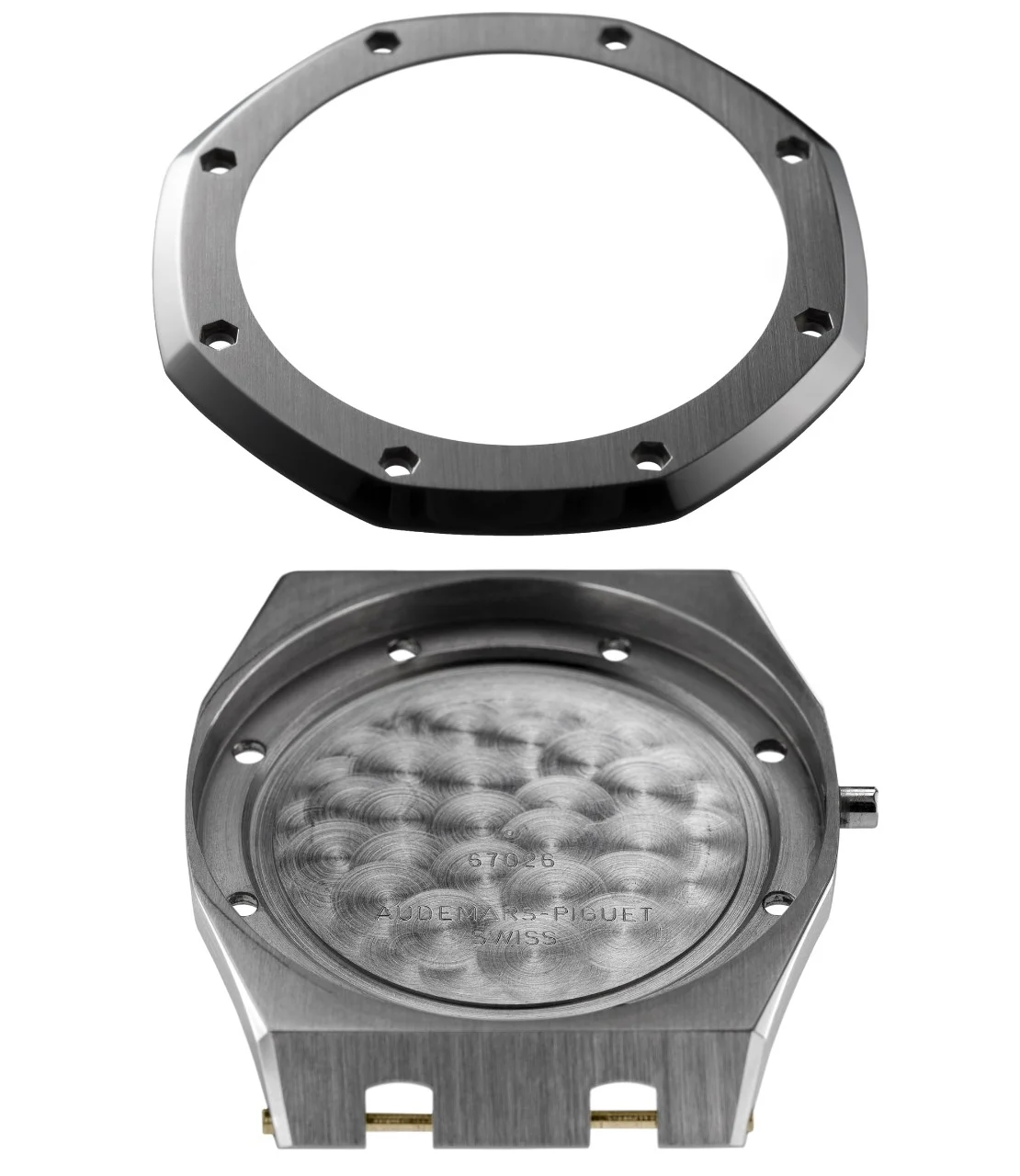
Luxury watches exhibit extremely precise case finishing. Edges, bevels, brushing, and polishing should be sharp, consistent, and symmetrical.
Common issues checked include:
-
Incorrect case proportions
-
Poorly finished edges
-
Inaccurate engravings
-
Incorrect case back design
High-end manufacturers maintain tight tolerances that are difficult to replicate.
Step 3: Dial & Hands Inspection

The dial is one of the most telling components of a watch.
Professionals examine:
-
Font accuracy and spacing
-
Logo placement and printing quality
-
Luminous material consistency
-
Marker alignment
-
Dial finish and texture
Even small deviations in font thickness or marker placement can indicate refinishing or replacement.
Step 4: Movement Examination
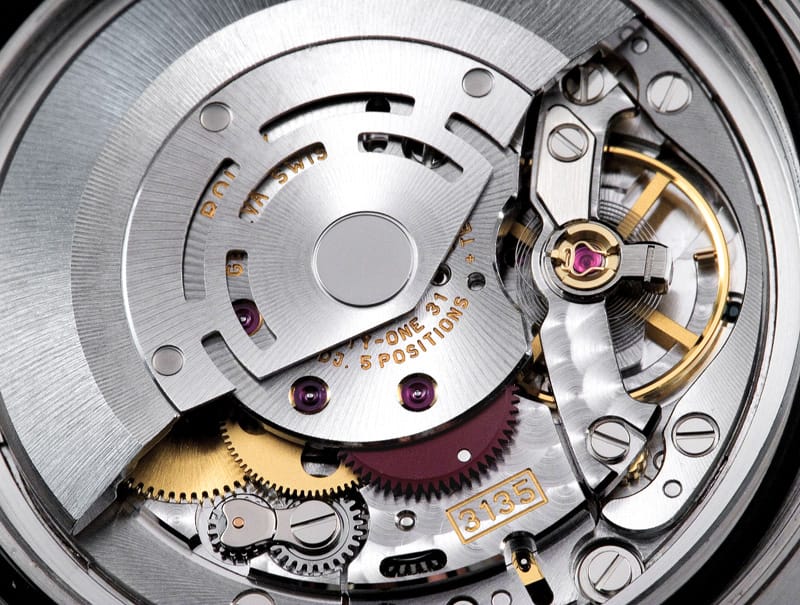
The movement is the heart of the watch and often requires opening the case, which should only be done by qualified professionals.
Movement evaluation includes:
-
Correct caliber for the reference
-
Finishing quality
-
Engraving accuracy
-
Rotor design and weight
-
Mechanical layout
Counterfeit movements may appear convincing at a glance but fail under close inspection.
Step 5: Bracelet, Clasp & Hardware
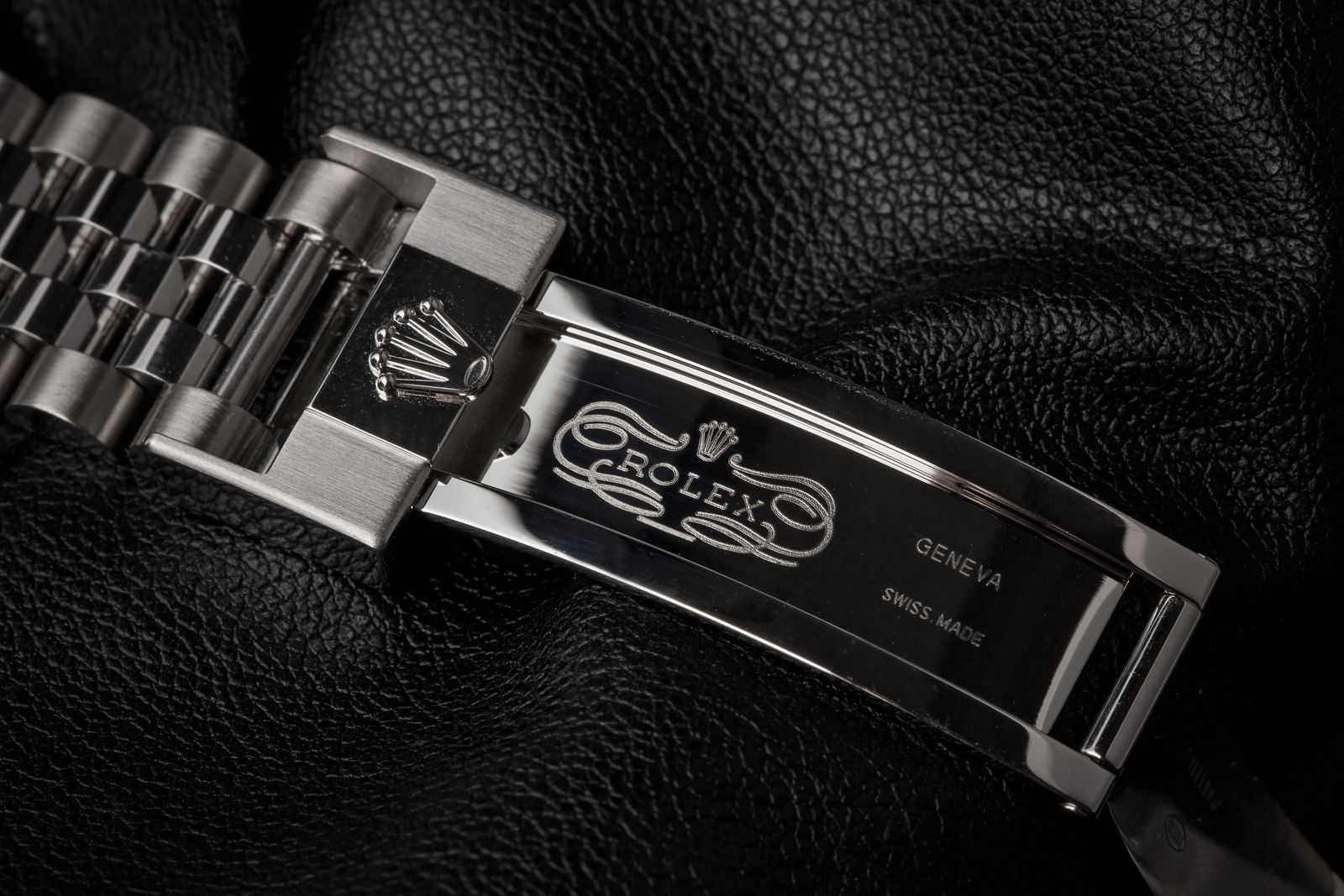
Bracelets and clasps are frequently replaced or altered and must match the reference and production era.
Professionals review:
-
Link construction and weight
-
Clasp engravings and stamping
-
Fit and articulation
-
Correct end links
Incorrect or aftermarket bracelets affect originality and value.
Step 6: Serial Numbers & Engravings
Serial numbers are reviewed to confirm:
-
Correct placement
-
Proper engraving depth and style
-
Alignment with the reference and era
Serial numbers alone do not confirm authenticity. They are one component of a broader evaluation.
Step 7: Documentation & Provenance
Original box, papers, service records, and archival extracts can support authentication but are not required for a watch to be authentic.
Documentation is reviewed for:
-
Consistency with the watch
-
Correct reference and serial alignment
-
Signs of alteration or mismatch
Documentation can be lost, replaced, or forged, which is why it is never relied upon alone.
Common Misconceptions About Authentication
Many buyers believe:
-
A serial number guarantees authenticity
-
Papers guarantee originality
-
Visual similarity means authenticity
None of these are reliable on their own. Professional authentication evaluates the entire watch holistically.
DNA Watches’ Approach to Authentication
Every watch offered by DNA Watches is reviewed using professional standards prior to being listed for sale. Authentication is performed through a combination of reference verification, visual inspection, technical evaluation, and experience with brand-specific characteristics.
While no process can eliminate all risk in vintage or pre-owned watches, DNA Watches is committed to accuracy, transparency, and honest representation.
Buyer Responsibility & Final Review
Buyers are encouraged to:
-
Review all available information
-
Ask questions prior to purchase
-
Request clarification when needed
Authentication confidence is strongest when both seller and buyer engage openly before completing a transaction.
Important Disclaimer
Authentication is based on professional assessment and available information at the time of evaluation. It does not constitute a manufacturer certification unless explicitly stated.
For questions regarding authentication or a specific watch, please contact DNA Watches prior to purchase.
Email: sales@dnawatchesnyc.com
DNA Watches
15 W 47th St STE 900, New York, NY 10036
Mon-Fri: 9am-7pm
Sat-Sun: Closed